Amplience vs. Adobe Experience Manager: Headless CMS & DAM Comparison
Adobe Experience Manager (AEM) vs Amplience: Which is Better for Retailers?
For retailers, the choice between Adobe Experience Manager (AEM) and Amplience is a choice between suite-based stability and composable agility.
Adobe Experience Manager
AEM is a powerful, all-in-one suite designed for the previous era of the web. It offers deep functionality but often comes with significant technical debt, high cost of ownership, and rigid workflows.
Amplience
Amplience is a MACH-certified (Microservices, API-first, Cloud-native, Headless) platform built specifically for modern commerce. It separates content from code, allowing brands to integrate best-of-breed technologies, launch campaigns faster, and reduce reliance on large internal IT teams.
Ideal Use Cases for Adobe Experience Manager (AEM)
To provide a fair comparison, AEM remains a strong choice for specific organizational types:
Full Adobe ecosystems: Organizations deeply committed to the full Adobe stack (Analytics, Target, Commerce) who prioritize suite uniformity over agility.
Web-only focus: Brands building traditional, page-based websites that do not require high-velocity content distribution to apps, marketplaces, or social commerce channels.
However, if the goal is omnichannel scale, reducing total cost of ownership (TCO), and agility, the following comparison outlines why brands switch to Amplience.
Why Retailers are Replacing AEM with a Headless CMS
The fundamental difference lies in the architecture. AEM is widely considered “hybrid-headless,“ meaning it retrofits headless capabilities onto a page-based system. Amplience is “native headless,“ built from the ground up to serve content via APIs.
AEM: The Page-Centric Legacy
In AEM, content is often tied to the presentation layer (the web page). This makes reusing that content difficult. A product description written for the web often needs to be re-created for the mobile app, creating silos and slowing down global campaigns.
Amplience: The Content-First Model
Amplience allows teams to model content once and publish it everywhere. It combines a visual interface for marketers with the API infrastructure developers need.
Key advantages for retail:
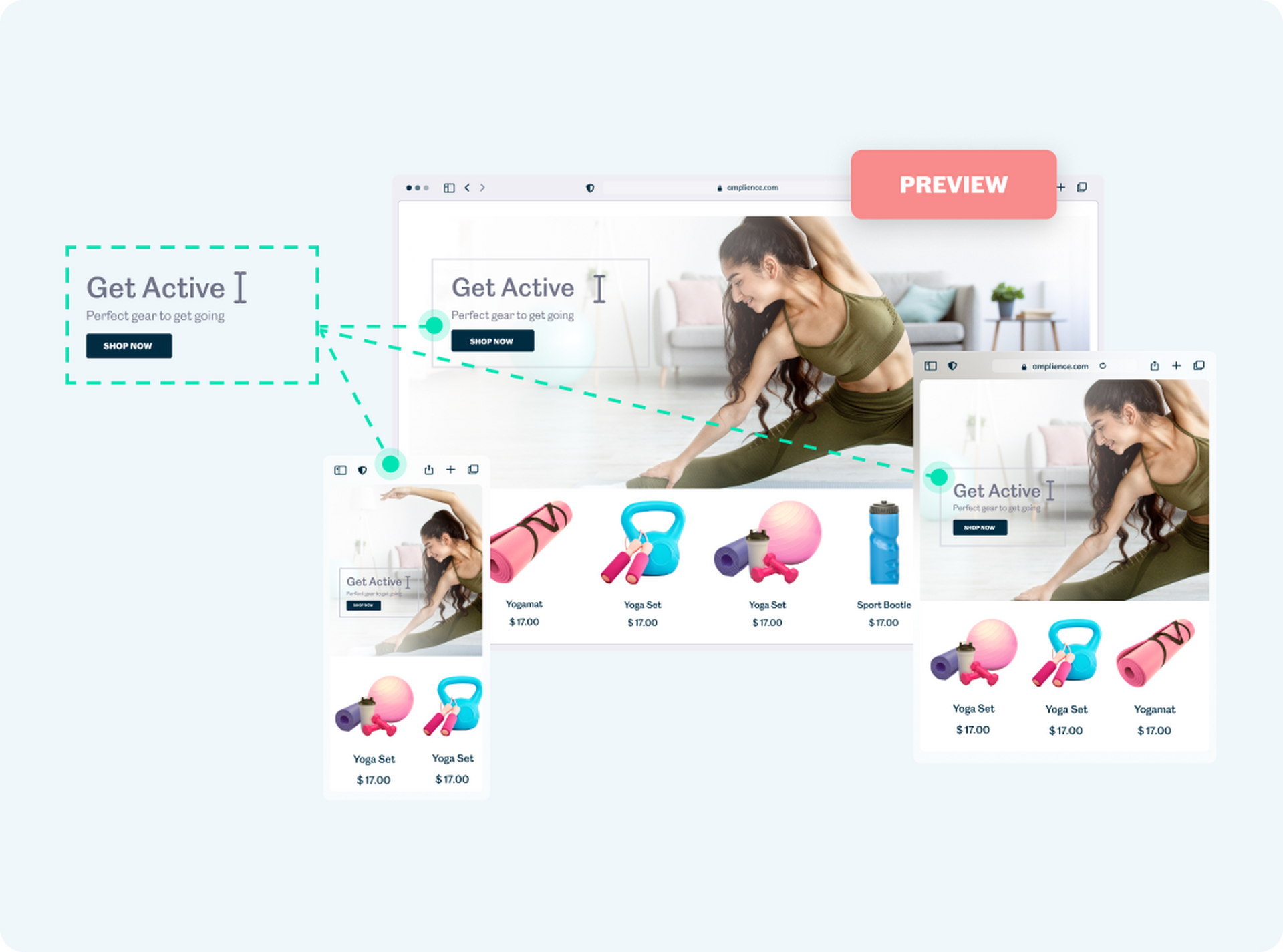
Visual control
Unlike many headless systems, Amplience offers robust previewing tools. Merchandisers can see exactly how content looks on mobile, tablet, or desktop before publishing.
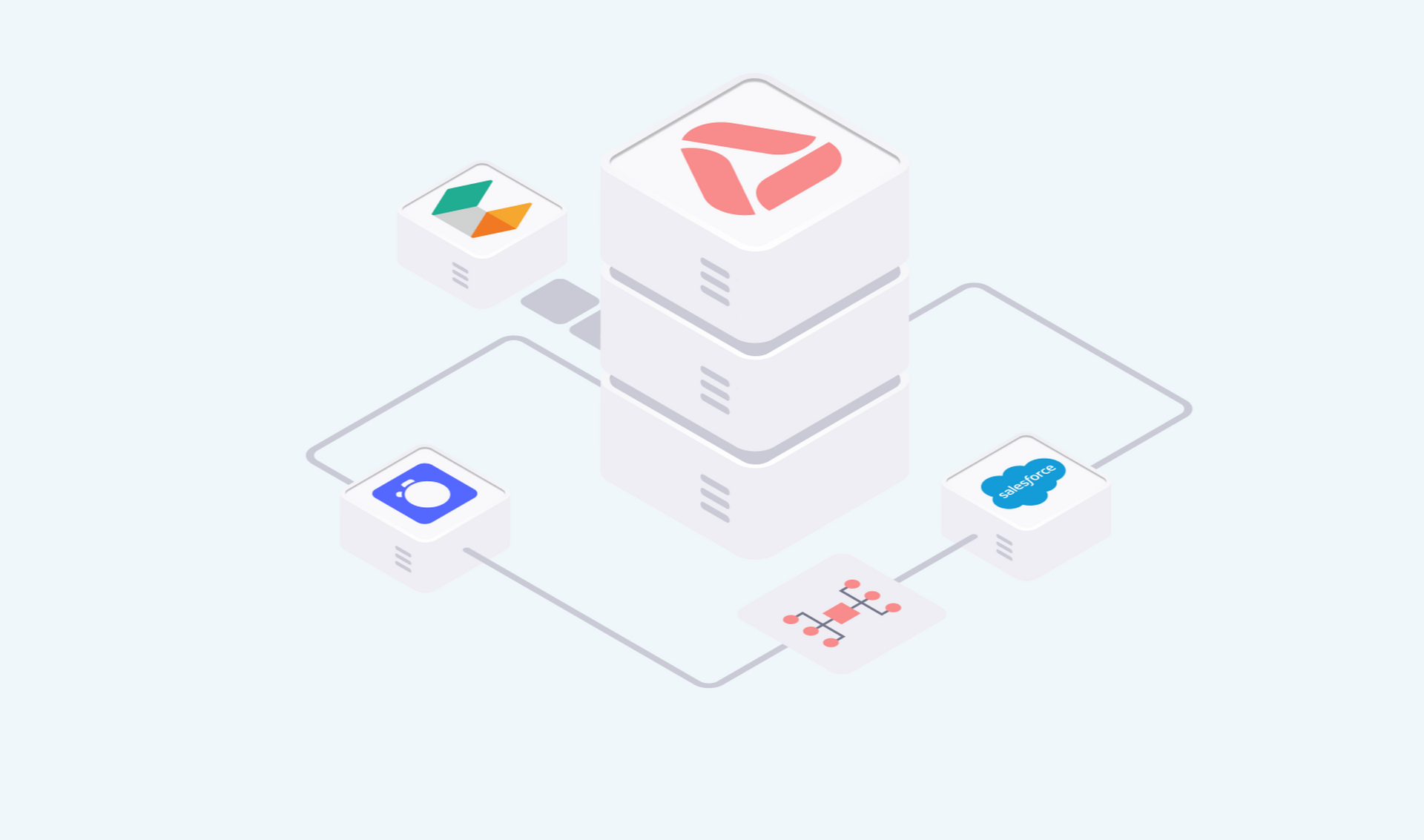
Retail connectors
Amplience integrates natively with Salesforce Commerce Cloud, commercetools, SAP, Shopify, and BigCommerce.
Agility metrics
When John Lewis & Partners modernized their stack with Amplience, they reduced homepage update times from two weeks to minutes.

Retail DAM & Dynamic Media: Delivery vs. Storage
The Core Difference
AEM splits assets between “Classic“ Scene7 and newer Dynamic Media folders, often creating synchronization issues. Amplience unifies asset management and delivery into a single high-performance stream.
AEM: The Storage Silo
Many teams find that legacy DAMs function primarily as “cold storage.“ Assets can get trapped in deep folder structures. Syncing between the DAM and the delivery layer often requires heavy configuration and ongoing maintenance from systems integrators.
Amplience: The Dynamic Delivery Model
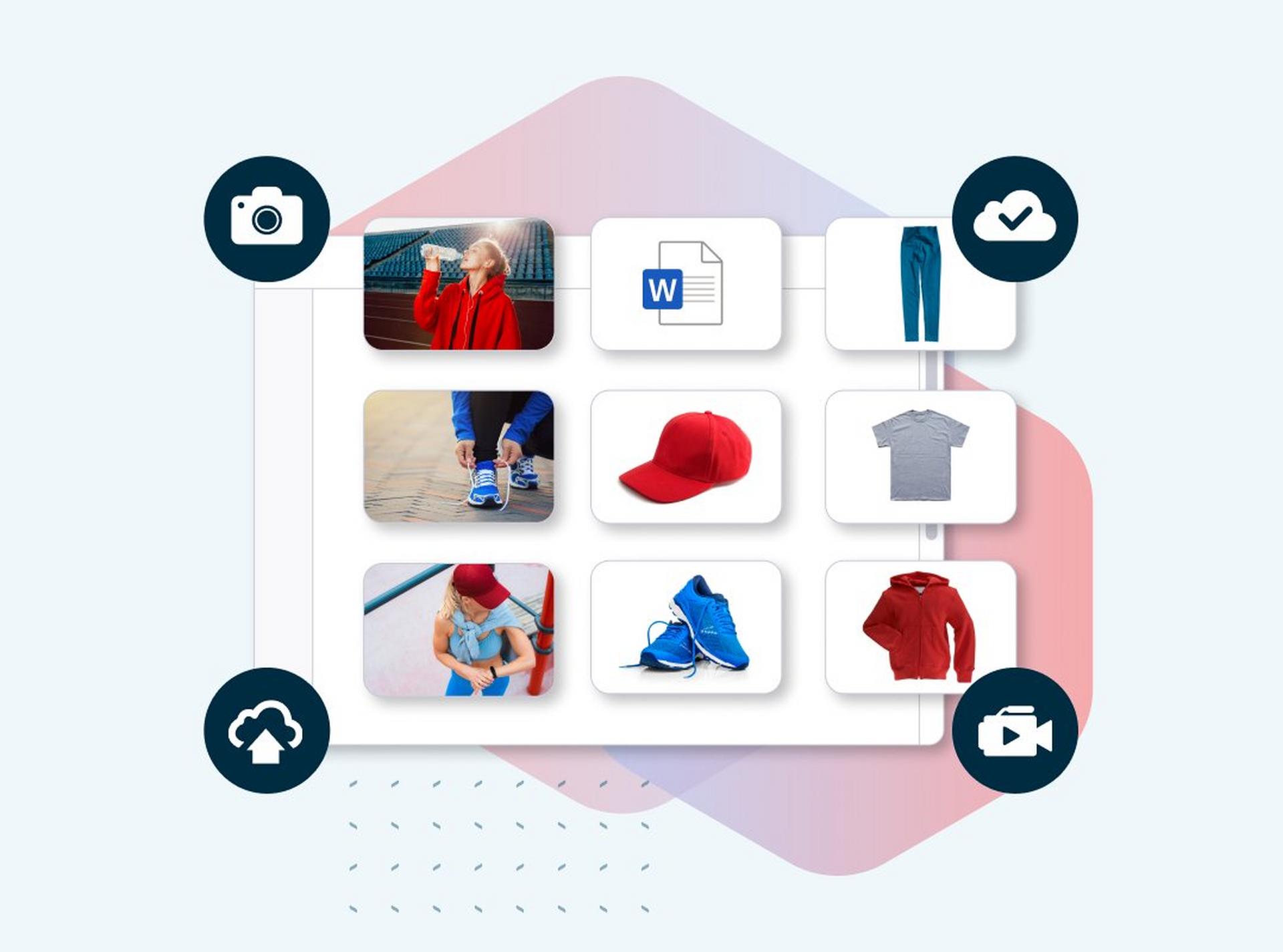
Amplience does not just store assets; it optimizes them. The system combines a user-friendly Content Hub with powerful Dynamic Media services. You upload a single master asset and the platform automatically generates every variation needed for every channel.
Amplience Retail DAM: The Key Advantages for Retail
Smart imaging
Dynamic Media automatically detects the user’s device and bandwidth to deliver the lightest, sharpest image possible.

Performance
Faster load times directly impact conversion. Clarks improved site speed by 44% and boosted conversions by 19% after moving to Amplience.

Scale
Proving enterprise capability, John Lewis & Partners successfully migrated 9 million assets in just 3 months during their move to Amplience.
Agentic AI: Automating Content Operations
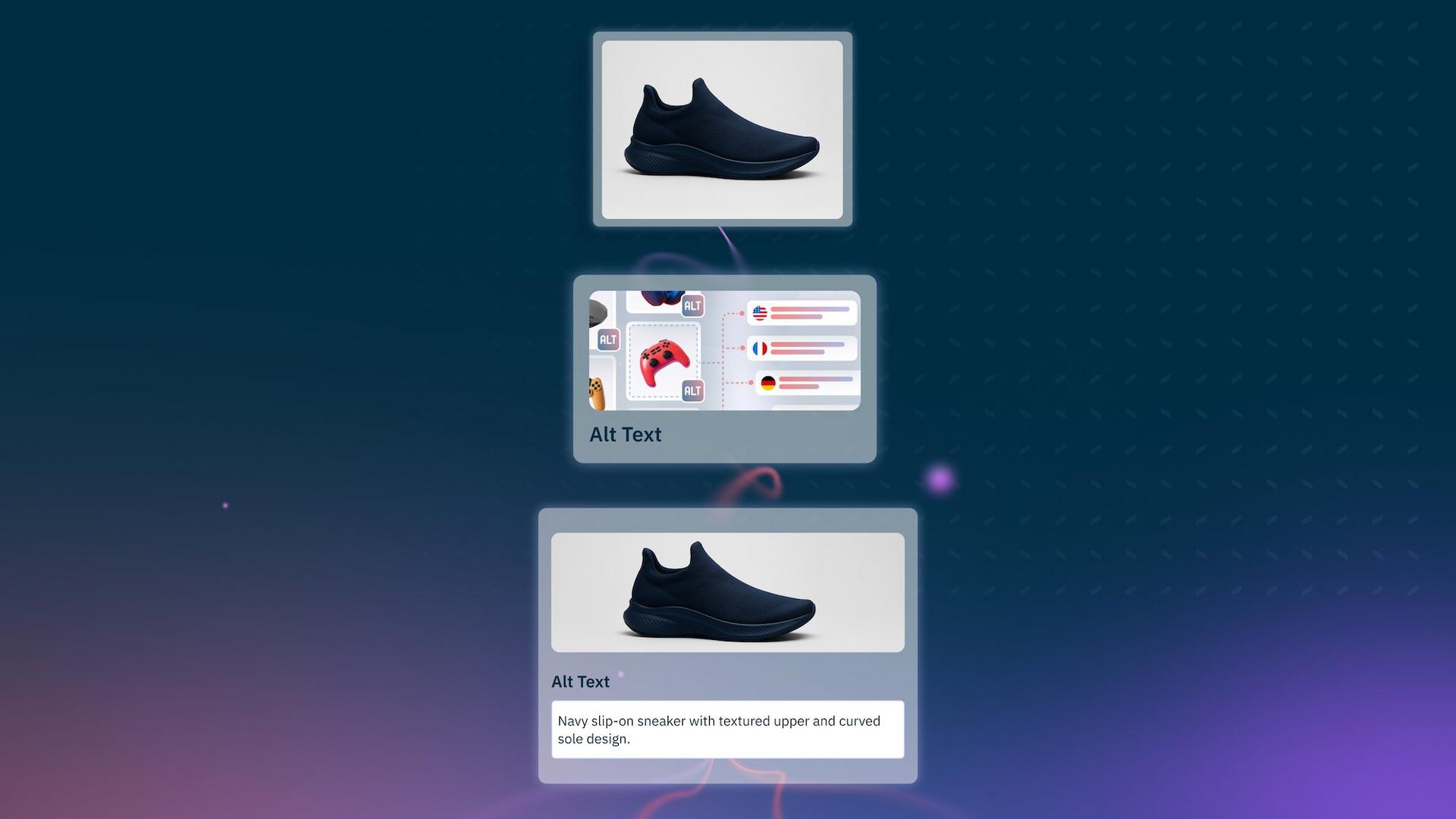
Most CMS AI tools are chat assistants that suggest edits. Amplience Workforce uses autonomous AI agents that complete entire workflows without human intervention.
For content operations teams managing thousands of SKUs across multiple regions, manual updates are a bottleneck. Workforce agents can take a raw product image and automatically:
Generate the alt-text.
Write the product description in your brand voice.
Localize that description for five different regions.
Tag the asset for SEO.
This approach focuses on scale rather than just suggestions, allowing teams to process massive catalogs in a fraction of the time required by manual workflows.
AEM vs Amplience Feature-by-Feature Comparison
| Feature | Adobe Experience Manager (AEM) | Amplience |
|---|---|---|
| Primary Architecture | Hybrid-Headless (Monolithic with API add-ons) | Native Headless & API-First (MACH Certified) |
| Retail Focus | General purpose enterprise | Purpose-built for retail & commerce. |
| Developer Experience | REST/GraphQL (often requires Java/OSGi expertise) | Language agnostic (native GraphQL & REST) |
| Implementation Timeline | 9-14 months (high complexity) | 8-12 weeks (agile & composable) |
| Upgrades & Maintenance | Manual, expensive upgrades (version lock) | Automatic SaaS updates (always current) |
| Localization | Complex translation workflows | Field-level localization with AI |
| Media Delivery | Separate modules (Scene7/Dynamic Media) | Unified media & Content Hub |
| Total Cost Model | High licensing fees + high maintenance | Lower TCO (SaaS model) |
G2 Peer Reviews: What Users Say
While Adobe Experience Manager benefits from a massive legacy user base, verified user reviews highlight a clear distinction in agility and innovation.
According to G2 data, users rate Amplience significantly higher in the categories that matter most for modern, fast-moving teams:
Ease of use & admin: Users consistently find Amplience easier to learn and simpler to manage than AEM. This directly correlates to the “speed“ benefit of a composable architecture versus a complex suite.
Quality of support: Amplience is rated higher for support, reflecting a partnership model where customers are treated as individuals, not just ticket numbers.
Product direction: Perhaps most telling, users rate Amplience’s Product Direction significantly higher than AEM’s. This suggests that while AEM continues to support legacy enterprise use cases, users indicate stronger confidence in Amplience’s product direction.
Which Platform is Right for You?
Adobe Experience Manager (AEM) is best suited for organizations that:
Are already heavily invested in the Adobe ecosystem (Analytics, Target).
Require complex, single-site page building rather than omnichannel distribution.
Have large internal IT teams or agency partners to manage upgrades and maintenance.
Amplience is best suited for retailers that:
Need to reduce total cost of ownership (TCO) and move away from legacy debt.
Require a composable, API-first architecture to connect best-of-breed tools.
Demand high-velocity content updates across multiple channels (Web, App, Social).
Frequently Asked Questions: Migrating from AEM to Amplience
Recommended Resources
Case Study: John Lewis & Partners Modernizes with Amplience Headless CMS for Composable Commerce
Discover how and why John Lewis & Partners moved to composable commerce with Amplience, powering faster digital experiences.
Ready to Move Faster?
Don't let legacy systems slow you down. The transition from AEM to Amplience is a well-trodden path for major retailers who want to reclaim their agility.